
Empower response teams with training, technology, and leadership. Learn how can we empower the disaster management crew effectively.
When disaster strikes, it’s the crew on the frontlines who decide how many lives are saved, the spots of courage, the silent decisions, the split-second moves that go unseen by most of us. I’ll never forget the day I visited the disaster response unit of a local rescue service after flood waters had receded. I sat with a team member as he told me: We did not stop when the cameras left. We stayed until every last voice we found was safe.
That moment drove home a critical question: how can we empower the disaster- operation crew not with applause only, but with real tools, real support, real strength. In this composition, I’ll walk you through the practical ways to empower disaster- response brigades( crew, field units, deliverance groups) through training, technology, leadership, and community collaboration. I’ll partake in my trip, some hard- won assignments, and a practicable way you or your organisation can take a moment.
Understanding the Role of Disaster Management Crews
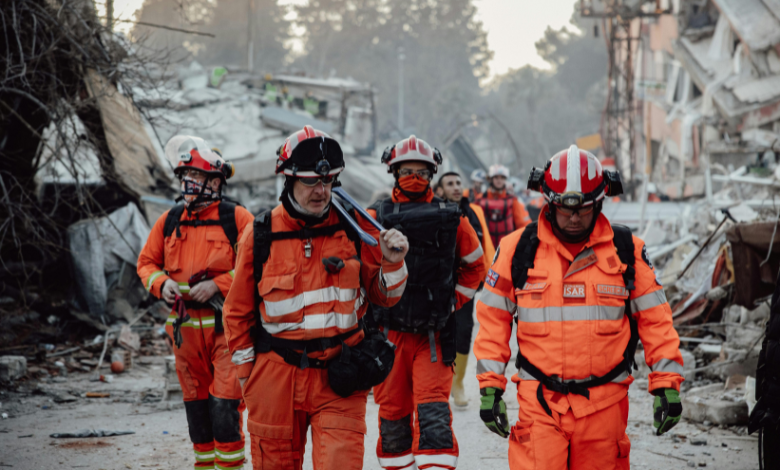
Let’s pause and reflect. What does a disaster- operation crew actually do. I formerly shadowed a platoon during an earthquake drill they counterplotted escape routes, coordinated logistics, set medical- aid accoutrements , rehearsed rapid-fire evacuation. Real-life disasters add chaos and risk. According to one article, these crews are the backbone of emergency response; they plan, respond, rebuild.
Key responsibilities include:
- Risk assessment and scenario planning (before disaster)
- Evacuation coordination and first-aid delivery during the event
- Search-and-rescue and logistics in unstable conditions
- Collaboration with local organisations, volunteer groups, communities
When I first visited a disaster-zone team, I saw how quickly roles shift: one minute you’re reassuring survivors, next you’re reviewing damage with engineers. That adaptability is exactly why empowerment matters.
Why Empowerment Matters in Crisis Response
You might think: is not simply having the team enough. Not quite. Empowerment means giving the crew the tools, the autonomy, the support to perform under extreme pressure not just telling them what to do.
Here are some compelling reasons:
- Disasters are more frequent, more complex. A white paper noted that weather-related disasters costing more than $1 billion per year have increased sharply.
- Crew morale, stamina and psychological wellness affect outcomes. One blog stressed that “teams work long shifts amid chaos without proper tools or support.
- Coordination between technology, community, policy and people make the difference between good and great response.
In short: empowerment is not a luxury. It’s a survival strategy. So when we ask how can we empower the disaster management crew, we’re really asking: how can we ensure those front-line teams have full capacity, clarity and resilience when disaster knocks?
Training and Skill Development Strategies
If empowerment begins with people, then training is the foundation stone. Think of it like building a house: the foundation must be solid, the walls strong, the roof able to weather the storm.
Why training matters
- Skill without practice is fragile. One article states: Training and education – keeping skills sharp and updated for evolving risks.
- Drill-based, scenario-based rehearsals build muscle memory. I remember running a simulated landslide evacuation and thinking: “We’ll never know how real it will feel until the actual sirens go off.
- Cross-training is powerful: when someone trained for one role can shift into another, the team becomes more flexible.
Practical training components
Here’s a checklist of things every response team should have before deployment:
- Scenario-based drills (e.g., flood + evacuation simulation)
- Cross-training across functions (medical aid ↔ logistics ↔ communication)
- Certification or continual learning (keep skills current)
- Field-realistic equipment training (not just theory)
- Debriefing and feedback loop (learn from each mission)
Real-world example
In one region, the local rescue teams partnered with international trainers to simulate both urban earthquake and rural flood scenarios and layered in community-volunteer response. This not only sharpened their core skills, but built trust with locals. We can replicate this: build the skills, rehearse the chaos, network the support.
Empowering Through Technology and Communication Tools
Imagine you’ve got a strong crew and good training, but when the phone lines go down, the satellite fails, and your volunteers do not know where to report to you’re stuck. Technology is the amplifier. It does not replace people; it makes them stronger.
Key tech enablers
- Drones, GIS mapping, mobile-comms in one article: Technology is not a luxury it’s the lifeline.
- Unified communication platforms: Instead of separate radios, chats, spreadsheets (which often cause gaps) we need integrated systems.
- Digital tools for volunteer onboarding, real-time updates, SOP access.
Some examples to adopt
- A mobile app for field crews with pre-loaded protocols, checklists, offline mode
- Drone-enabled surveys of damage to accelerate decision-making (rather than slow, hostile manual inspections)
- Volunteer onboarding portal with clear task assignments and communication pathways
- Portable kits with satellite comms for when traditional infrastructure fails
During my visit to a disaster-zone unit, one team leader said: We spent half an hour just finding the right radio frequency. By the time we were assembled, the situation had shifted. That’s why the right tech matters. The goal: fewer delays, less friction, more clarity.
Leadership and Psychological Support
Heroes show up in headlines, but heroes also fracture under pressure. Leadership and psychological resilience are twin pillars of a resilient response crew.
Leadership that empowers
- Leadership is more than orders. It’s trust, delegation, clarity. One article: strong leadership is the glue empowerment goes beyond giving orders.
- Build trust between crews and their leaders. When I facilitated a workshop, I watched a team leader physically step aside during a drill letting junior members make decisions. The result? A surge in ownership and confidence.
- Inclusive leadership: include local experts, volunteers, women in decision-making.
Psychological resilience
- Burnout, trauma, heavy emotional load, constant exposure to distress, limited mental‐health support” are major issues.
- Simple but powerful: build safe spaces for debrief, peer check-ins, mandatory rest cycles.
- Recognition matters: heroes need to rest, heal, recharge.
Real-life insight
I once sat with a team post-deployment. They’d just spent 72 hours in a flood zone. The trucks were cleaned, equipment sorted but no one paused. We started a 15-minute peer-led sharing session: each person said one thing they felt proud of, one thing they struggled with. It changed the mood. That short check-in became part of their recovery protocol.
Policy and Community Involvement
Empowerment does not only come from inside the rescue unit. It comes from policy, from communities, from the way we invest and collaborate.
Community collaboration
- Response teams and communities are partners, not in separate silos. Article: Communities are not passive bystanders, they’re partners.
- Volunteer training, public awareness campaigns, citizen reporting tools: these build the ecosystem.
- Analogy: The crew is the specialist surgeon; the community is the nurse, the logistics staff, the initial first-aider. Both matter.
Policy and resources
- Adequate funding, legal protections, clear authority structures these matters. The white paper states: States must invest significantly more funding.
- Policy clarity: who declares the emergency, how resources are distributed, accountability mechanisms.
- When the crew knows they have institutional backing, they operate with confidence.
Real-life story
In a region prone to earthquakes, the disaster board implemented a community-volunteer programme: schools taught first aid, local youth learned evacuation drills, neighbourhood groups had alert chains. When a quake hit, the professional crew and the trained locals collaborated immediately, evacuation was faster, casualties lower. That synergy happens when policy, training and community align.
Real-Life Success Stories and Examples
I’ve visited, studied, talked to responders and the ones who succeed share common traits. Here are two such snapshots:
Example 1: Urban Flood Response Team
A team in a flood-prone region conducted yearly multi-agency drills with local NGOs, integrated a mobile-app for real-time mapping, and had a peer-support programme for stress-management. Their response times shrank by 30 %.
Example 2: Mountain-Zone Search & Rescue Crew
In challenging terrain, the crew cross-trained members for medical aid, navigation and logistics. They acquired drones for cliff-side surveys. They instituted a rotation so no member worked more than 48 hours without rest. When a large landslide struck, they evacuated 120 people in 18 hours.
From both lessons: training + tech + rest + community = resilience.
Actionable Steps to Take Today
Enough theory here comes your ready-to-use action list. If you or your organisation asks how we can empower the disaster management crew, here are concrete steps.
Checklist: Five things every response team should have before the next deployment
- Scenario-based training scheduled within the next 3 months – plan a realistic drill with cross-training, role-switching, volunteer integration.
- Communication tool audit – review radios, mobile apps, backup systems; ensure unified platform and offline capability.
- Mental-health protocol implemented – peer debrief sessions, rest cycles, psychological first aid training.
- Community engagement setup – identify local volunteer groups, run awareness session in the community, build task-flow for community ↔ crew communication.
- Policy & resources review – ensure budget lines, equipment maintenance, legal clarity (e.g., who leads, how volunteers are managed).
Bullet-point tips
- Keep drills short but frequent; fatigue is better managed in 60-minute sessions than 8-hour marathons.
- Use technology to automate repetitive tasks (for example: check-in, reporting) so field crews focus on the mission.
- Rotate leadership roles during exercises to build depth of decision-makers.
- Recognise small wins: celebrate when the team hits a training milestone, to build momentum and morale.
- Engaging the community early even one school session on evacuation improves trust and response.
Toolkit links
- The United Nations Office for Disaster Risk Reduction (UNDRR) offers resources on capacity-building and risk reduction.
- The Federal Emergency Management Agency (FEMA) has training materials on community emergency response teams.
- The white-paper Empowering Emergency Management to Meet Current and Emerging Threats” outlines policy and funding issues. nemaweb.org
Conclusion with Purpose
So, to the question: how can we empower the disaster management crew. The answer lies in a combination: training that builds confidence; technology that multiplies effect; leadership and psychological support that sustain performance; community and policy engagement that give wings to the crew.
Empowerment starts with awareness. It continues through action. And it flourishes when people feel valued, prepared and supported. At the heart is human resilience not just machines, not just protocols, but people who show up, who care, who lead.
If you have a local crew, a team, a volunteer network: share this article with them. Use the checklist. Initiate the conversation: What are our weaknesses? What’s our next drill? Who in our community can partner with us.
Empowerment is not optional anymore. It’s essential. When you ask how we can empower the disaster management crew, you’re asking how we can safeguard lives, restore hope, and build a society that recovers, rebuilds, and emerges stronger. Let’s answer that call together.