

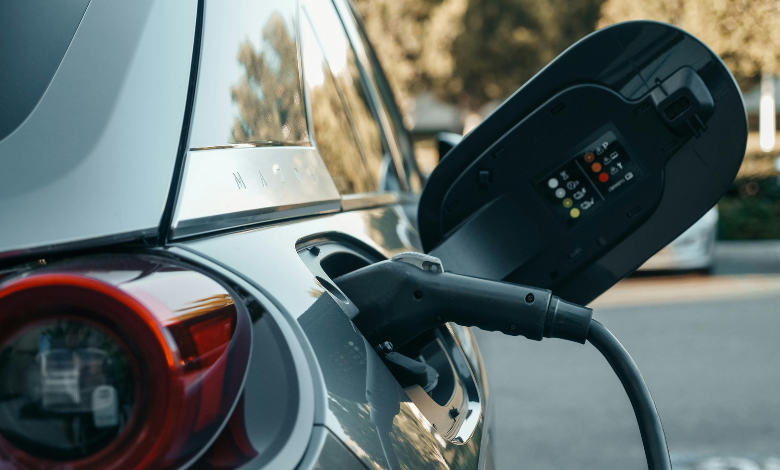
Most EV batteries last between 10 to 20 years or 100,000 to 300,000 miles, depending on the brand, climate, and how you charge and drive.
When I first started researching EVs, my biggest worry was not range anxiety, though that came second. It was the question most people ask: What happens when the battery dies, After all, we have all experienced a phone battery fading over time until it barely lasts half a day. But here is the good news. EV batteries are a completely different story.
In this guide, I will walk you through everything I learned while buying my first electric car and the deep dive I did into EV battery life. We will break down the science, the myths, the real-world data, and even some personal stories that might make you smile.
Battery Basics: Why EV Batteries Outlast Our Phones
Let us start with the basics. EVs typically use lithium-ion batteries, just like your phone or laptop. But the similarity ends there.
Phones vs. Cars: Your phone battery might cycle hundreds of times before it struggles. EV batteries are designed for thousands of cycles, with complex cooling systems and software that prevent the wear and tear your phone endures.
Engineering for Longevity: Automakers designedly limit how important of the battery is used daily. For illustration, when you see 100 percent charge on your EV dashboard, the battery is not truly full. It still has a defensive buffer that prevents overcharging damage.
When I first learned this, it felt like discovering that a routine intimately slows itself down to cover your knees. Smart design that saves headaches later.
Climate: Why Your Location Matters
I live in a place where summers hit triple digits, and I can tell you heat and EVs do not always get along.
Hot Climates: Inordinate heat can accelerate battery declination. Indeed, situated buses sitting in the blazing sun can suffer over time if not managed.
Cold Climates: Freezing winters slow down performance temporarily. You might see reduced range, but once the temperature rises, the battery often bounces back.
One of my friends in Arizona had a Nissan Leaf, which does not have as sophisticated a cooling system as a Tesla or Hyundai. After just five years, his range noticeably dropped. Contrast that with another buddy in Seattle with the same Leaf and mileage. His battery was still holding up like a champ.
Moral of the story: climate matters.
Charging Habits: Fast Is Not Always Friendly
When I first got my EV, I will admit I was obsessed with fast chargers. Why wait when you can juice up in 20 minutes? But here is the catch.
Fast Charging (DC Fast): Super convenient on road trips, but frequent use stresses the battery and heats it up.
Level 2 Home Charging: Slower but much gentler. Think of it like eating a balanced meal compared to scarfing down fast food every day.
Most experts recommend using fast chargers sparingly, like a weekend treat. For daily charging, stick to Level 2 at home or work.
Driving Style: Easy Does It
EV batteries also respond to how you drive. Aggressive acceleration and hard braking not only sap your range in the short term but can also affect long-term health.
I learned this the hard way. The first month I had my EV, I drove it like I was auditioning for Fast & Furious Electric Drift. My range declined faster than my enthusiasm when I realized I had to stop at another bowlmid-trip. Since also, I’ve eased into smoother driving, and my battery thanks me daily.
Real-World Examples: How Brands Stack Up
Different automakers have different results when it comes to battery longevity. Let us look at some of the popular models.
Tesla: Data shows Teslas lose only about 10 percent of capacity after 200,000 long hauls. That’s emotional.
Nissan Leaf: Aged models suffered hastily declination, especially in hot climates. Newer performances with better cooling tech are much better.
Chevy Bolt: Reports show relatively stable performance, though it had some high-profile recalls unrelated to natural degradation.
Hyundai Ioniq and Kona: These are winning fans for their long warranties and steady battery performance.
Case studies suggest the average EV loses just 2 to 3 percent of battery capacity per year. That means after 10 years, most cars still retain around 75 to 80 percent of their original range.
Warranties: Your Built-In Safety Net
Here is something that made me breathe easier before signing the dotted line: EV battery warranties.
Most automakers offer 8 years or 100,000 miles, whichever comes first. Some brands, like Hyundai, even stretch this further.
Here is a quick table for comparison:
| Brand | Warranty Length | Mileage Cap | Notes |
| Tesla | 8 years | 100,000–150,000 | Varies by model |
| Nissan | 8 years | 100,000 miles | Coverage on significant loss |
| Hyundai | 10 years | 100,000 miles | One of the longest warranties |
| Chevrolet | 8 years | 100,000 miles | Standard across EV lineup |
Knowing that your battery is covered for a decade is like having a safety net under a tightrope. Even if degradation happens, you are not footing the entire bill.
Replacement Costs: Not As Scary As They Sound
The internet loves to scare people with battery replacement costs. You will see headlines screaming, $20,000 to replace your EV battery. Yes, replacements are expensive, but here is the truth.
Most drivers never need a replacement during normal ownership.
Costs are already dropping thanks to advancing tech. A new Tesla Model 3 battery costs closer to $12,000 now, and other brands are trending lower.
By the time you actually need one, perhaps 12 to 15 years down the road, prices are expected to be much cheaper.
Compare that to owning a gas car where you might go through multiple major repairs over a decade, including engines, transmissions, and fuel pumps. It evens out.
Tips to Make Your EV Battery Last Longer
From my own trial and error, plus expert recommendations, here is the cheat sheet.
- Do not keep it at 100 percent constantly. Aim for 20 to 80 percent for daily driving.
- Use fast charging sparingly. Save it for road trips.
- Park smart. Shade in summer, garage in winter.
- Drive smoothly. Your battery prefers calm driving over drag racing.
- Software updates matter. Automakers often push updates that optimize battery health.
Think of it like taking care of your body. Eat well, get sleep, exercise, but also do not obsess. The same balance applies here.
Visual Comparisons
Timeline Perspective: A gasoline engine typically lasts 150,000 to 200,000 miles before major repairs. An EV battery often lasts the same or longer.
Infographic Idea: Five ways to make your EV battery last longer. Simple, shareable, and handy for new EV owners.
Warranty Table: As shown above, an easy reference for shoppers.
FAQs About EV Battery Life
Do EV batteries degrade quickly?
Not really. On average, EVs lose about 2 to 3 percent capacity per year. That is slower than most people expect.
How much does an EV battery replacement cost?
Today, between $10,000 and $15,000 depending on the model. But most owners never need one, and prices are dropping fast.
Can EV batteries be recycled?
Yes. Companies are building recycling systems to reuse precious materials like lithium, cobalt, and nickel. In the future, recycling will make EVs even more sustainable.
Key Takings
- Still, let me assure you, If you’re on the hedge about buying an EV because you’re upset about the battery dying five times. That fear is outdated.
- Between long guarantees, proven real- world performance, and better technology every time, EV batteries are designed to go the distance.
- So if you’re allowed to make the switch, do your schoolwork, check the bond, and enjoy the lift. Once you get behind the wheel of an EV, the last thing you’ll be bothered about is the battery.
Additional Resources
- EV Battery Health Insights: Data From 10,000 Cars (Geotab): Large-scale study showing most EV batteries degrade only about 1.8% per year and can last 15–20 years.