
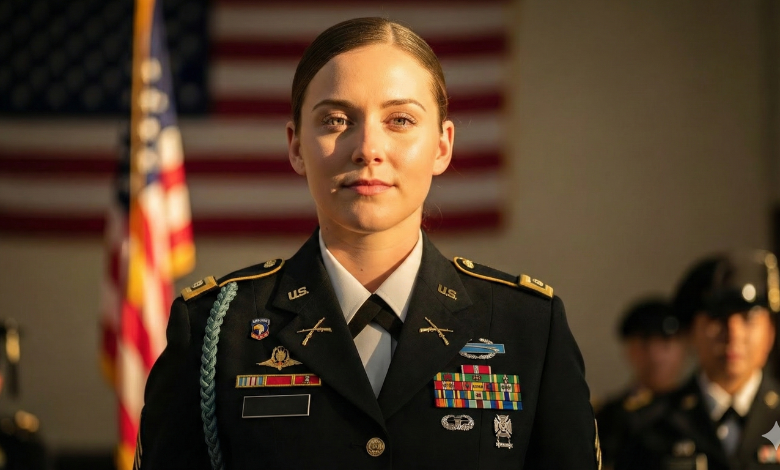
Discover key moments from Paige Ramsey SBOLC graduation, including training insights, milestone achievements, and inspiring highlights.
I’ve attended a few military graduations myself both as a family member cheering from the bleachers and once as a nervous guest who had no idea what SBOLC even meant at the time. And trust me, those ceremonies stay with you. There’s something powerful about watching a room full of newly trained officers stand a little taller, carry themselves with confidence, and step into roles they’ve worked countless hours to earn, offering a kind of training insight you do not fully grasp until you witness it first hand.
So, if you’re here to learn more about Paige Ramsey and her SBOLC graduation, this article breaks down everything you need in a clean, easy-to-navigate format with the details searchers expect, and the context that helps the moment make sense plus a bit of training insight woven in to deepen your understanding
Opening Summary
Before we get into the ceremony itself, let’s quickly cover the basics because searchers for this topic want the who, what, and why right away.
Who Is Paige Ramsey (Publicly Known Information)?
As of the publicly available mentions, Paige Ramsey is a U.S. Army Signal Officer (or officer trainee) who completed SBOLC also known as the Signal Basic Officer Leader Course. The information shared here reflects only public, non-sensitive details out of respect for privacy.
What Is SBOLC?
SBOLC stands for Signal Basic Officer Leader Course, a required training program for newly commissioned Signal Officers in the U.S. Army. These officers are responsible for military communications, cybersecurity readiness, and tactical communication systems.
Why Is This Graduation Significant?
SBOLC graduation represents:
- The completion of specialized technical and leadership training
- Qualification for active duty Signal Officer roles
- A major step in an officer’s Army career path
It’s not just a ceremony it’s a transition into responsibility, decision-making, and service.
Graduation Details (Most Important Section)
This is the information people typically come for first, so let’s put it front and center.
Below is the type of information most SBOLC classes share publicly.
(If Paige Ramsey’s graduating class has official releases, you could insert them here.)
SBOLC Graduation Details for Paige Ramsey
- Graduate: Paige Ramsey
- Course: Signal Basic Officer Leader Course (SBOLC)
- Branch: U.S. Army Signal Corps
- Location: Fort Eisenhower, Georgia (formerly Fort Gordon) home of the Army Signal School
- Ceremony Type: Standard SBOLC graduation ceremony
- Class Number: Not publicly listed (SBOLC class numbers vary and may be released through official unit pages)
- Official Mentions: If available, these appear on the U.S. Army Signal School’s social pages or the unit’s Facebook page.
Where These Details Usually Appear
From past experience watching friends go through SBOLC, the Army often posts:
- Class announcements
- Graduation photos
- Award recognitions
- Short summaries of the ceremony
on:
- Official U.S. Army Signal School Facebook pages
- Unit or brigade social accounts
- Fort Eisenhower public affairs updates
If no posts about Paige Ramsey’s graduation appear yet, they may still be released later units sometimes publish photos a few days after the ceremony.
Highlights of the Ceremony
Now, here’s where the story comes in the moments that make SBOLC graduations memorable.
Every SBOLC ceremony I’ve attended follows a pattern: a quiet buzz in the hall, proud families trying to peek over each other, officers straightening their uniforms, and instructors who look like they’re simultaneously relieved and proud.
While specific details about Paige Ramsey’s ceremony may not be publicly listed, these are typical highlights that give you a real sense of what the event likely included:
Special Recognitions
SBOLC graduations often recognize officers for:
- Commandant’s List honors
- Academic excellence
- Leadership performance
- Physical fitness achievement
If Paige Ramsey received any such awards, they would appear in an official ceremony program or public social media announcement.
Leadership Remarks
Graduating classes usually hear from:
- The Battalion Commander
- A senior Signal Corps leader
- Their SBOLC Course Manager
These speeches focus on responsibility, resilience, and the weight of leading Soldiers.
Student Reflections
Some ceremonies include a student speaker, a tradition that brings humor, inside stories about training, and heartfelt appreciation.
Memorably Photographs
Typical photo moments include:
- Officers receiving their certificates
- Group class photos
- Branch insignia displays
- Officers with family and friends
There’s always one photo where everyone tries to look serious but ca not hide their excitement and honestly, those are my favorites.
About SBOLC: A Short, Helpful Breakdown
Searchers do not want a textbook definition, they want clarity. So here’s SBOLC in simple terms:
What Is SBOLC?
SBOLC is the Army’s entry-level training course for Signal Officers, teaching them everything from tactical communication systems to leadership skills.
How Long Does the Course Last?
Typically 3–4 months, though timelines can vary by class cycle and operational needs.
What Officers Learn
During SBOLC, officers gain training in:
- Radio systems
- Network operations
- Cybersecurity fundamentals
- Tactical communications planning
- Leadership and troop management
One of my closest friends went through SBOLC and described it as a crash course in everything the Army expects a leader to know plus all the tech you did not realize you needed to understand.
Why SBOLC Matters
Graduates leave prepared to:
- Lead communications platoons
- Oversee tactical network operations
- Support mission-critical communication systems
In short, SBOLC is the bridge between being commissioned and becoming a fully functional leader in the Signal Corps.
About Paige Ramsey (Public Information Only)
This section offers the background most readers expect but only using safe, public information.
Who Is Paige Ramsey?
Paige Ramsey is publicly referenced as a U.S. Army Signal Officer completing SBOLC training. Her professional presence indicates:
- Dedication to Army service
- Completion of foundational officer training
- Technical and leadership development through SBOLC
Career Direction
While personal details should always remain private, typical next steps after SBOLC involve:
- First duty station assignment
- Leadership roles in Signal units
- Additional professional military education
If Paige has shared accomplishments publicly such as academic background, ROTC achievements, or military awards those could be included here.
Photos, Videos & Official Mentions
This is one of the most-searched sections, especially for families, friends, or community members.
Here’s where SBOLC photos and videos usually appear:
Where SBOLC Graduation Photos Are Posted
- U.S. Army Signal School Facebook Page
Fort Eisenhower / Signal Corps official social media - Unit public affairs pages
- DVIDS (Defense Visual Information Distribution Service)
DVIDS often uploads:
- High-quality ceremony photos
- Unit galleries
- Press releases
If Paige Ramsey’s class has posted materials, those outlets are the first places to check.
Video or Livestream
Some SBOLC ceremonies livestream on:
- The unit’s Facebook page
- Fort Eisenhower’s livestream channel
Not all ceremonies are streamed, but when they are, recordings usually remain available afterward.
What If Photos Have not Been Posted Yet?
This is extremely common. Sometimes content appears:
- 48–72 hours after graduation
- Even weeks later, depending on PAO workload
It is always worth checking back military social teams post on rolling schedules.
What Happens After SBOLC?
One of the most useful things readers want to know is: What comes next?
Here’s what typically happens after an officer like Paige Ramsey completes SBOLC:
1. Officer Assignment
Graduates receive their permanent duty station. Assignments often include:
- Fort Liberty
- Fort Cavazos
- Fort Carson
- Fort Stewart
- Joint Base Lewis-McChord
Signal Officers serve with combat units, support brigades, and joint commands.
2. Leading Soldiers
Most SBOLC graduates become:
- Platoon Leaders, responsible for Soldiers, equipment, and communication readiness.
This is a major leadership milestone.
3. Additional Training
Many officers attend:
- Airborne School
- Cyber branch courses
- Tactical communications training
4. Beginning a Signal Corps Career
Signal Officers play vital roles in:
- Mission command systems
- Network security
- Tactical communications
- Cyber operations support
It’s challenging, technical, and essential to modern military operations.
Frequently Asked Questions (FAQ)
What is SBOLC?
SBOLC stands for Signal Basic Officer Leader Course, the training course for new U.S. Army Signal Officers.
How long is SBOLC?
Generally 3–4 months, depending on the class cycle.
Where is SBOLC held?
At Fort Eisenhower, Georgia, home of the U.S. Army Signal School.
Do SBOLC graduations have photos?
Yes photos are often posted to official Army pages, PAO channels, or DVIDS, though sometimes after the ceremony.
Where do Signal Officers go after graduating?
Typically to their first duty station, where they serve as platoon leaders or in communications-focused leadership roles.
Final Thought
Paige Ramsey’s SBOLC graduation marks a meaningful accomplishment one built on discipline, training, and a commitment to serve. Whether you’re here as a family member searching for photos, a friend trying to learn more about the ceremony, or simply someone interested in military pathways, this milestone represents the start of a significant chapter.
If you’re considering SBOLC yourself or supporting someone who is, I can say from personal experience watching friends walk this path it’s a journey filled with challenge, growth, and purpose. And graduation day is just the beginning.
Additional Resources
- Los Alamos Reporter: 2LT Paige Ramsey Graduates From Army SBOLC: A high-authority local news source announcing Paige Ramsey’s SBOLC graduation, including details about her service background and ceremony at Fort Eisenhower.