
Pharaoh ants infest homes quickly learn how to identify, prevent, and eliminate pharaoh ants with expert tips and effective solutions.
Still, chances are you’re not doing it casually, If you’re looking up caesar ants. Most people search for this term because they’ve seen bitsy unheroic ants marching across their kitchen counter, restroom Gomorrah, or inside cupboards and fear sets in fast. I’ve been there myself. The first time I spotted them in my apartment, I thought they were just normal ants. Turns out, they were one of the most stubborn ménage pests you can ever deal with.
This companion gives the real, practical information people actually want, not general delineations. So if you’re trying to figure out what these ants are, why they’re in your home, and how to get relief from them for good, this is the exact explanation compendiums need.
What Pharaoh Ants Really Are and Why They Show Up Indoors
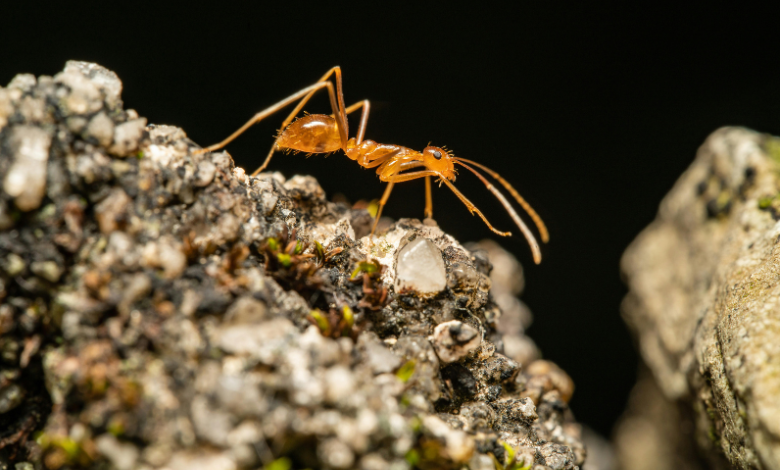
Pharaoh ants are bitsy, pale- unheroic ants only about 2 mm long. They’re one of the many ant species that prefer inner surroundings, especially warm structures, apartments, hospitals, hospices, and homes.
Then there’s the part where people do n’t know Pharaoh ants can not survive outside in cold climates, so they make massive networks inside warm structures, walls, closets, appliances, and sequestration.
Why people suddenly notice them
You might first see:
- A thin trail near the sink
- Tiny yellow ants around sugary foods
- Ants crawling along electrical wires
- Ants coming from behind switchboards or wall cracks
Once they appear, it usually means the colony has already been inside for months, sometimes years.
How to Identify Pharaoh Ants (Even if You’ve Never Seen Them Before)
People searching for pharaoh ants want quick identification because they’re trying to confirm, Are THESE the ants in my kitchen?
What they look like
- Color: Light yellow to reddish-gold
- Size: Very small 1.5 mm to 2.2 mm
- Body: Almost transparent
- Antennae: 12 segments, slightly curved
- Movement: Fast and in thin trails
How they act
Pharaoh ants:
- Prefer warm, humid spots
- Build nests in hidden cracks
- Follow long trails to food
- Spread quickly one nest can become dozens
Unlike many ants that live in one main colony, pharaoh ants create multiple satellite colonies, making them very hard to eliminate.
Are Pharaoh Ants Dangerous? Here’s the Truth
Most people Google this the moment they realize these ants are inside their home.
Bites
Pharaoh ants don’t bite humans in a harmful way. However, they can crawl on:
- Food
- Cutlery
- Toothbrushes
- Open wounds
Health risks
These ants are known to carry:
- Salmonella
- Streptococcus
- Clostridium
This is why they are considered a serious problem in hospitals, nursing homes, and restaurants.
Why they seem harmless but aren’t
Their danger isn’t aggression, it’s contamination. If they are crawling on your food, counters, or dishes, that’s where the risk begins.
How to Know If You Have a Pharaoh Ant Infestation
This is where homeowners get stuck; they can’t figure out how big the infestation is.
Here’s what to look for:
1. Tiny trails near warm areas
Common trail locations:
- Along kitchen walls
- On countertops
- Window frames
- Bathroom tiles
- Behind appliances
2. Ants coming out of electrical sockets
This is VERY common for pharaoh ants because electrical warmth helps them nest.
3. Sudden appearance of ants on sweets or oily foods
They are strongly attracted to:
- Sugar
- Grease
- Meat scraps
- Honey
- Soft drinks
4. Multiple tiny colonies
Unlike regular ants, pharaoh ants split their colony into many smaller nests. This is why you may see ants in the bathroom AND kitchen at the same time.
Why Pharaoh Ants Enter Homes Actual Causes People Want to Know
Pharaoh ants don’t enter from outside like other ants. They already live inside the structure.
Common reasons they show up visibly:
- Moisture from leaking pipes
- Food crumbs
- Warm indoor temperature
- Gaps in walls
- Dirty trash bins
- Pet food bowls
- Heat from appliances (fridge, microwave, toaster)
Once they find even a small food source, their trail becomes more active and you notice them everywhere.
Why Pharaoh Ants Are So Hard to Eliminate (Most People Don’t Know This)
This is the #1 question people search.
The main reason: They bud.
When threatened, sprayed or disturbed pharaoh ants split their colony into multiple new colonies, each forming a new queen.
So when you spray them:
- They don’t die
- They spread
- The infestation doubles or triples
This is why they are considered one of the most difficult indoor pests worldwide.
The Correct Way to Get Rid of Pharaoh Ants (DIY That Actually Works)
Here’s what MOST people do wrong:
- Spraying them
- Using powder
- Using random crawling insect killers
This makes the infestation worse.
Step 1: Use bait, not spray
Pharaoh ants respond best to slow-acting bait because they carry it back to the colony.
Types of bait that work:
- Boric acid bait
- Hydramethylnon gel bait
- Fipronil gel bait
- Sweet liquid baits
Place baits near:
- Trails
- Warm areas
- Behind appliances
- Under sinks
Step 2: Remove competing food sources
If crumbs or spills are available, ants will ignore bait.
Do:
- Wipe counters daily
- Store food in airtight containers
- Clean trash bins
- Wash dishes promptly
Step 3: Avoid killing ants on sight
Every dead ant reduces the number of workers returning bait to the nest.
Step 4: Be patient
Full elimination may take 2–6 weeks, depending on colony size.
What DOESN’T Work (Important!)
Here’s what people commonly try (and regret):
Sprays
Dust
Lemon or vinegar
Hot water
Bay leaves
Chalk
These might kill individual ants, but they cannot reach hidden nests and usually cause the colony to scatter making things worse.
When You Should Call Professional Pest Control
Sometimes DIY is not enough, especially when:
- You see ants in many rooms
- Ant trails appear daily
- You live in an apartment building
- Multiple colonies are active
- DIY baiting worked but ants returned
Professionals use:
- Targeted gel baits
- Growth regulators
- Colony-mapping tools
This can shorten removal time from months to weeks.
How to Prevent Pharaoh Ants From Ever Returning
Once you eliminate them, prevention matters.
Do these consistently:
- Seal cracks around windows and pipes
- Fix leaks in kitchen/bathroom
- Keep food in sealed containers
- Clean kitchen surfaces daily
- Empty trash frequently
- Don’t leave dirty dishes overnight
- Use preventive bait stations every 2–3 months
Prevention is easier than elimination.
Frequently Asked Questions About Pharaoh Ants
Do pharaoh ants bite?
Not typically but they contaminate surfaces.
Why do they come back after I kill them?
Spraying causes colony splitting, making them multiply.
Are they dangerous for pets?
They don’t harm pets, but they contaminate pet food.
How long does it take to get rid of them?
Anywhere from 2 to 12 weeks, depending on colony size.
Why do I see them mostly in the kitchen or bathroom?
They love warmth and moisture, two things these rooms provide.
A Short Personal Experience (To Make This Real)
Am once found pharaoh ants trailing across my bathroom wall at 2 a.m. I followed the trail and discovered they were coming from a tiny crack behind the mirror cabinet. I tried spraying them with a big mistake. Within a week, ants were popping up in the kitchen, living room, even inside my laptop charger.
The turning point was when a pest technician told me, You don’t fight these ants with force you fight them with patience. He recommended gel bait. And he was right. It took three weeks, but the trails slowly disappeared, and they never returned after I kept preventive bait stations.
Final Word
People who search pharaoh ants want one thing: clear, fast, practical solutions. This guide gives exactly that identification, causes, dangers, DIY steps, what not to do, and when to call a professional.
Additional Resources
- Pharaoh Ant, Monomorium pharaonis – Texas A&M AgriLife Extension: Comprehensive guide covering identification, lifecycle, colony structure, distribution, and effective management strategies for pharaoh ants, emphasizing baiting over sprays.